Aug 18, 2026 | JDS Adhesive
Replacing PF resin presents a practical challenge for plywood manufacturers: how to adopt a new adhesive without disrupting established production or compromising exterior-grade performance. The ideal alternative must fit seamlessly into existing manufacturing processes while delivering reliable resistance to water, heat, and demanding service conditions. A bio-based adhesive system HPA (Hybrid Polysaccharide Adhesive) addresses these needs as a drop-in PF resin alternative, delivering over 1 MPa bonding strength after the 28-hour Class I boiling–drying–boiling test.
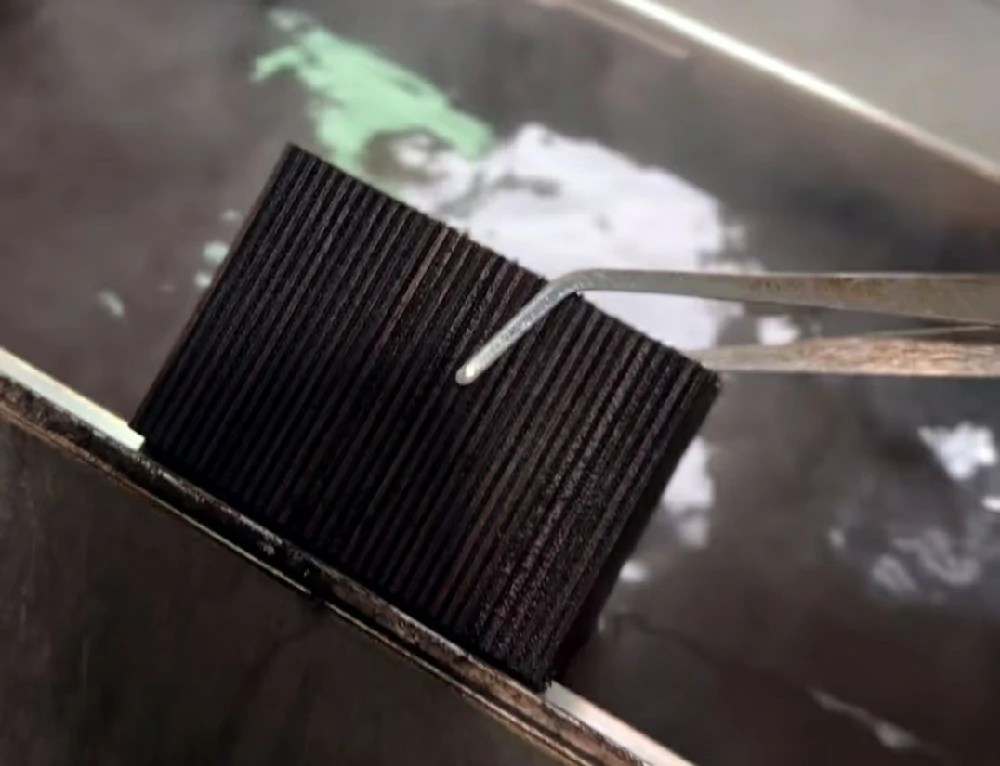
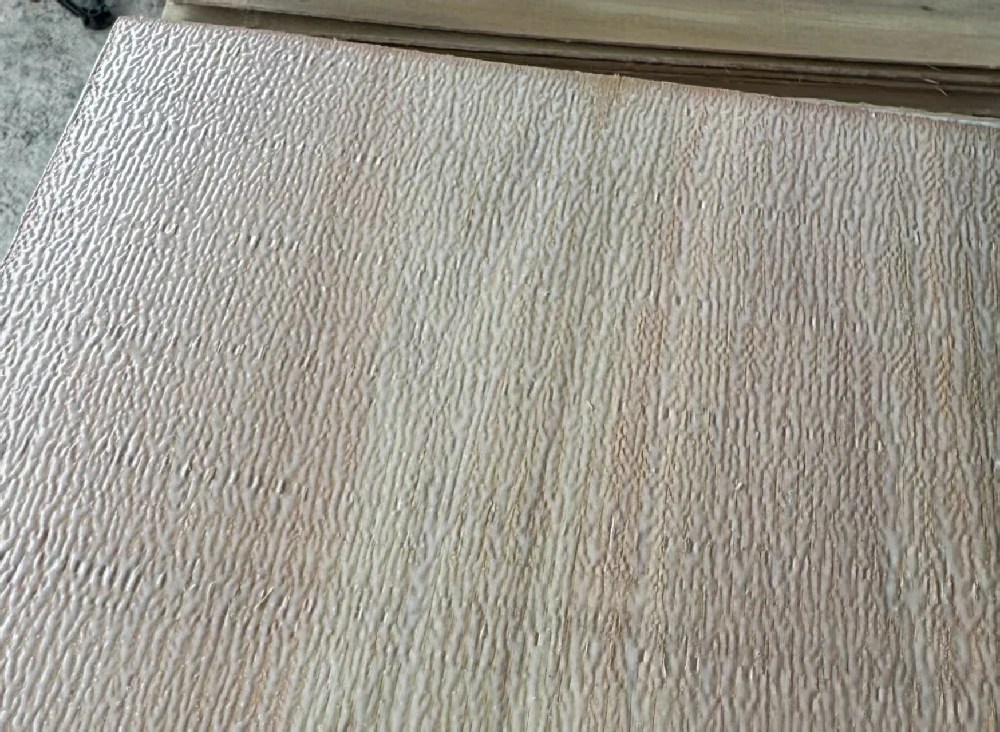
HPA: A Drop-in Alternative to PF Resin with Proven Water Resistance
HPA offers plywood manufacturers two formulation approaches to meet different production needs.
- A 1:1.3 adhesive-to-water formulation requires no industrial flour, simplifying the formulation process.
- A 1:3:2.2 adhesive-to-water-to-flour formulation delivers more than 8 hours of boiling-water resistance.
When benchmarked against conventional PF resin, HPA demonstrates strong water-resistant performance while giving manufacturers greater flexibility in formulation and production.
Quick Reference: Water-Resistance Performance Levels
| Water-Resistance Level Description | Typical Application | PF Resin | HPA |
| Exterior / Weather Resistant | Exterior plywood exposed to moisture and weather | Exterior-grade PF resin | HPA Formulation 1: 1:1.3 adhesive-to-water, no industrial flour; >1 MPa after 28-hour boiling–drying–boiling treatment |
| High-Performance Exterior | Demanding exterior applications with prolonged moisture exposure | Higher-performance PF formulations | HPA Formulation 2: 1:3:2.2 adhesive-to-water-to-flour; >8 hours boiling-water resistance |
| Severe Moisture Exposure | Applications requiring exceptional resistance to repeated wet/dry conditions | Top-performance PF systems | No delamination after 6 cycles of 8-hour boiling + 8-hour drying |
Keep The Existing Process: Alternative Without Major Production Line Changes
Switching from PF to HPA does not require plywood manufacturers to overhaul their established hot-pressing processes. As a hybrid thermosetting–thermoplastic adhesive, HPA can be integrated into conventional plywood manufacturing workflows, allowing manufacturers to retain their existing pressing equipment and production processes.
For mills that currently produce PF adhesive in-house, the benefits can go beyond adhesive performance. A full transition to HPA can eliminate the need to operate a dedicated PF adhesive production line, reducing equipment, energy, labor, maintenance, and other operating costs while simplifying plant operations and reducing the environmental footprint associated with on-site PF resin production.
The overall cost advantage can be even more significant depending on the plant’s location, local raw-material prices, energy costs, and other operating conditions. In many cases, switching from PF to HPA can optimize the final adhesive cost by approximately 10–40% while maintaining or even exceeding the required bonding and water-resistance performance.
Beyond PF Resin: Performance, Compliance and Cost Advantages
As discussed above, HPA delivers the bonding strength and water resistance required for demanding plywood applications. Its advantages extend further into compliance, emissions, logistics, and overall cost.
Lower Compliance and Environmental Burden
Phenol is regulated as a hazardous substance in the U.S., including under CERCLA (40 CFR §302.4), while its transportation is subject to DOT Hazardous Materials Regulations (49 CFR Parts 171–180). For manufacturers handling phenol-based materials, this can mean additional requirements for handling, storage, documentation, and transportation.
HPA uses a bio-based adhesive system based on modified starch and nano-silica technology, avoiding phenol-based chemistry and supporting manufacturers’ ESG and environmental goals.
E0-Level Formaldehyde Emissions
Unlike aldehyde-based adhesive systems, HPA does not rely on formaldehyde as a core component. Its adhesive system can maintain E0-level formaldehyde emissions, providing a low-emission option for plywood manufacturers.
Lower Logistics and Adhesive Costs
HPA is supplied in powder form, which can simplify transportation and storage while avoiding the logistics associated with transporting liquid PF resin. Depending on plant location, raw-material prices, energy, transportation, and existing PF production costs, switching to HPA can reduce final adhesive costs by approximately 10–40%, while maintaining or exceeding required performance.
Quick Reference: Beyond Performance
| Key Consideration | Conventional PF Resin | HPA |
| Chemical Profile | Phenol-based adhesive system | Bio-based hybrid polysaccharide adhesive |
| Regulatory Burden | Phenol subject to hazardous-substance and transportation requirements | Avoids phenol-based raw materials |
| Formaldehyde | Formaldehyde-based resin system | E0-level emissions; non-aldehyde adhesive system |
| Supply & Storage | Typically supplied as liquid resin | Powder form for simplified storage and logistics |
| In-House Resin Production | May require dedicated PF production line | Can eliminate dedicated PF resin production |
| Final Adhesive Cost | Varies by location and formulation | Potential 10–40% cost optimization |
| ESG Considerations | Phenol-based chemistry and associated environmental burden | Bio-based chemistry with potential ESG advantages |
Beyond performance, HPA offers manufacturers a broader value proposition—simpler chemistry, lower compliance and logistics burdens, reduced formaldehyde emissions, and potential savings in overall adhesive costs.
Related Products
Explore HPA as a Drop-in PF Alternative for Exterior-Grade Plywood—without major changes to your existing production process.
→ Learn more about HPA WBP solutions
HPA Eco-Friendly Adhesive for Plywood
A low-emission HPA solution for plywood and engineered panels, helping manufacturers meet stricter environmental standards with formaldehyde-free technology and reliable bonding performance.