Jul 20, 2026 | JDS Adhesive
WBP (Weather and Boil Proof) plywood requires high-performance adhesives that can withstand moisture, heat, and long-term environmental exposure. Traditionally, phenolic and melamine-based resins have been widely used for this purpose. However, with increasing environmental regulations and sustainability demands, new eco-friendly adhesive technologies such as HPA are emerging as effective alternatives.
What is WBP Plywood?
WBP plywood refers to Weather and Boil Proof plywood, a type of engineered wood panel designed for exterior and high-moisture applications.
Unlike standard plywood, WBP plywood is manufactured using adhesives that can resist:
- Prolonged exposure to water
- High humidity environments
- Boiling water conditions without delamination
Because of these properties, WBP plywood is commonly used in:
- Construction and structural applications
- Marine environments
- Outdoor furniture and formwork
The performance of WBP plywood largely depends on the quality of the adhesive used in bonding the veneers.
What Adhesive is Used for WBP Plywood?
The most widely used adhesive for WBP plywood is phenol formaldehyde (PF) resin, which has long been considered the industry standard for exterior-grade and waterproof plywood applications.
PF adhesive is valued for its:
- Excellent water and weather resistance
- Strong bonding performance under high temperature and humidity
- Proven durability in structural and outdoor applications
Because of these properties, PF resin has been extensively used in construction plywood, marine panels, and other demanding environments.
Limitations of Traditional WBP Adhesives
Despite the performance advantages, PF adhesive presents several significant drawbacks, particularly in terms of safety, environmental impact, and cost.
1. Dependence on Phenol as a Hazardous Chemical
PF resin is synthesized using phenol, a chemical that is widely recognized as hazardous.
- Phenol is classified as a toxic and corrosive substance, capable of causing severe burns and systemic toxicity through skin absorption
- It is subject to strict occupational exposure limits (e.g., OSHA limit of 5 ppm), reflecting its health risks
- Under global chemical safety frameworks such as the GHS (Globally Harmonized System), phenol falls under hazardous chemical classification adopted by most major economies worldwide
As a result, in many countries and regions, phenol is regulated as a hazardous chemical, requiring:
- Special handling and storage
- Strict transportation regulations
- Extra worker protection measures
This increases operational complexity for manufacturers.
2. Formaldehyde Content and Environmental Concerns
PF adhesives contain formaldehyde, which raises environmental and health concerns.
- Formaldehyde emissions are increasingly regulated under global standards such as E0, CARB, and EPA
- Exposure to formaldehyde is associated with indoor air quality issues and long-term health risks
As sustainability requirements become stricter, the use of formaldehyde-based adhesives is facing growing scrutiny.
3. High Production Cost
PF adhesive systems are relatively expensive due to:
- Raw material costs (phenol is derived from petrochemicals)
- Energy-intensive curing processes
- Complex manufacturing requirements
This leads to higher overall production costs compared to newer adhesive technologies.
A New Generation Solution: HPA Eco-Friendly Adhesive
In response to the environmental, safety, and cost challenges associated with traditional PF adhesives, the industry is increasingly adopting alternative bonding technologies. One such solution is HPA (Hybrid Polysaccharide Adhesive), a next-generation bio-based adhesive designed for demanding plywood applications, including WBP-grade panels.
High Performance Comparable to PF Adhesive
HPA adhesive delivers bonding performance comparable to, or even exceeding, traditional PF systems.
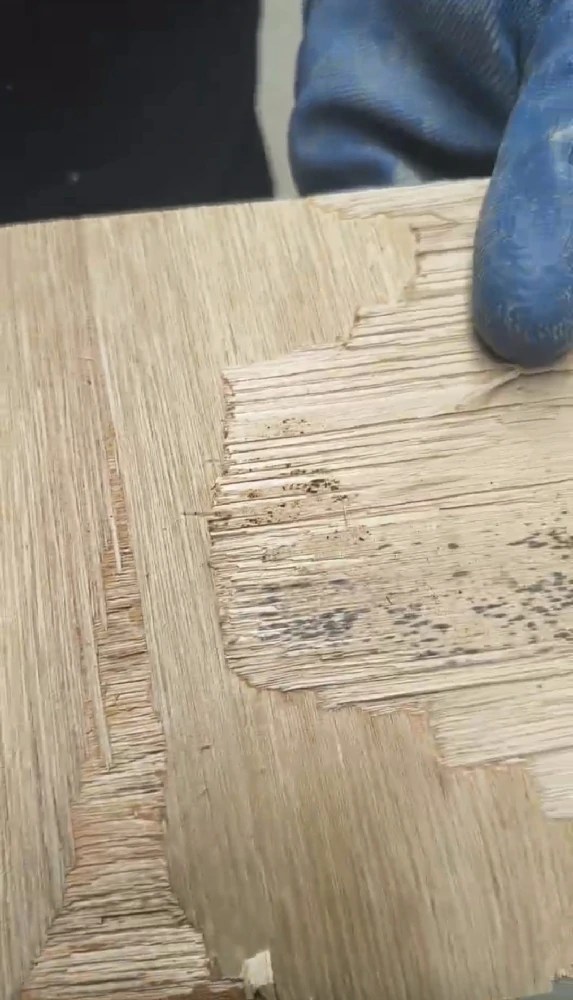
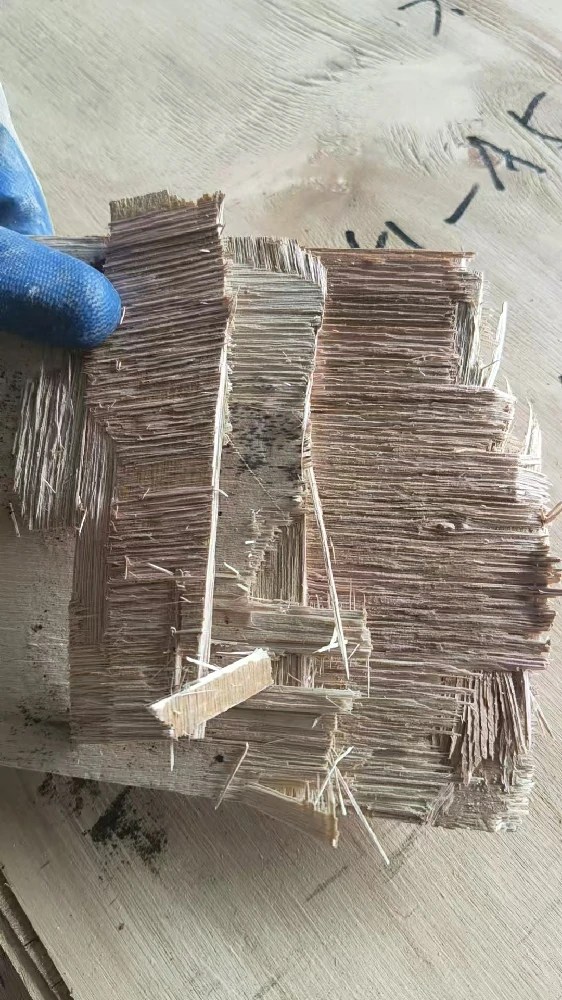
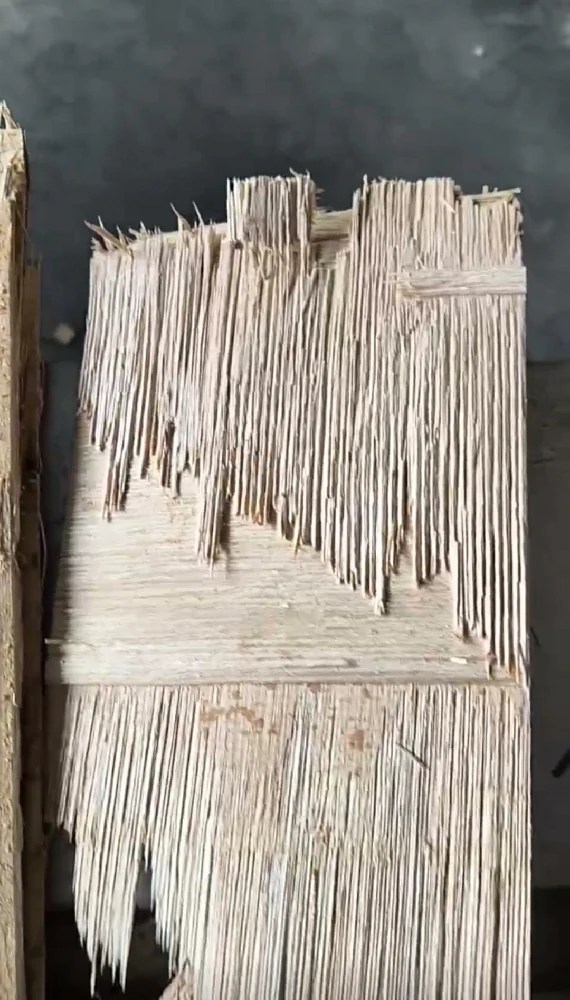
Laboratory testing and third-party inspections show wood failure rates close to 100%, indicating excellent bonding strength. Mechanical strength performance is on par with PF adhesives across key indicators.
In WBP applications:
- A 1:3 formulation of HPA adhesive can consistently pass 10-hour boiling water tests
- A 1:1.5 formulation can withstand up to 300 hours of boiling tests, demonstrating exceptional durability
These results confirm that HPA meets the core performance requirements of WBP plywood.
Flexible Formulation with Significant Cost Advantages
HPA adhesive supports flexible formulation ratios, allowing manufacturers to optimize performance and cost:
- Supports 1:3 and 1:1.5 mixing ratios depending on application requirements
- Higher dilution ratios provide greater cost efficiency compared to PF systems
In practical production scenarios, this flexibility enables plywood manufacturers to achieve:
- Approximately 30% reduction in total adhesive cost, depending on process conditions and product specifications
This makes HPA not only a high-performance solution but also a cost-effective alternative.
Eco-Friendly and Non-Hazardous Material
Unlike PF adhesives, HPA is a bio-based adhesive that does not rely on hazardous raw materials such as phenol.
- Not classified as a hazardous chemical
- Safer for handling, storage, and transportation
- More environmentally friendly throughout the production process
This significantly reduces operational risks and regulatory burdens for manufacturers.
Ultra-Low Formaldehyde Emission (E0 Standard)
HPA adhesive meets stringent environmental standards for indoor air quality:
- Formaldehyde emission level: 0.03 ppm (Tested by SGS – Report No. CANPC26006460001)
- Compliant with E0 (EN) environmental standards
This makes HPA particularly suitable for applications requiring low-emission or formaldehyde-free materials, aligning with global sustainability trends.
| Property | PF Adhesive | HPA Adhesive |
| Water Resistance | Excellent | Excellent |
| Wood Failure Rate | High | ~100% |
| Formaldehyde | Yes | 0.03 ppm |
| Hazardous Material | Phenol required | No |
| Cost | High | ~30% lower |
| Sustainability | Limited | Eco-friendly |
As the demand for high-performance and sustainable materials continues to grow, HPA adhesive offers a compelling alternative to traditional PF systems—delivering reliable WBP performance while meeting modern environmental and cost requirements. For manufacturers seeking both efficiency and compliance, HPA represents a forward-looking solution in plywood bonding technology.
Related Products
Explore our high-performance adhesive solutions for plywood and wood-based panels:
HPA Eco-Friendly Adhesive for Plywood
Designed for WBP applications with excellent water resistance, low emissions, and cost efficiency.
→ Learn more about HPA WBP adhesive
Adhesive Solutions for Flooring, Blockboard & Decorative Panels
Advanced adhesive systems suitable for flooring, blockboard, NAF/E0 plywood, and laminated (veneered) panels, delivering strong bonding performance and low-emission compliance.